Your Right to Information with PlayOJO under GDPR
Learn how to ask what personal data PlayOJO holds about you, why it is processed, and how to send a clear GDPR information request through the right support and privacy channels.
If you want to know what personal data PlayOJO holds about you, why it is processed, and how it is used, your right to information under GDPR gives you a clear route to ask. On this page, I explain the playojo right to information in plain English, including how to send a playojo gdpr request, what details to include, and what kind of reply you can usually expect. This is a standard privacy process, not a dispute. I also treat this page as a practical guide that works alongside the formal policy documents rather than replacing them.
Best PlayOJO offers for Irish players
Three simple ways to explore PlayOJO while reviewing account, privacy, and support options

PlayOJO Casino
- Simple account setup and mobile-friendly access
- Useful if you want to review the data linked to your player profile
- Support routes and privacy documents are easy to find
- Transparent account controls and verification flow
18+ only · Terms apply
PlayOJO Welcome
- Good route for new users learning how account data is structured
- Support, privacy, and responsible gaming pages are all linked
- Useful for understanding usernames, payments, and verification records
- Clear path to support if you later submit a GDPR request
Popular with new players · 18+
PlayOJO High Roller
- Relevant for users with wider account activity histories
- Can involve broader payment, verification, and support records
- Helpful context if you request a larger GDPR response file
- Suitable for experienced users managing multiple account features
Verified accounts · Additional checks may apply
★ 4.7/5 — based on 1,247 player reviews
What is Your Right to Information under GDPR?
Under GDPR, you can ask an organisation for information about the personal data it processes about you. In an iGaming context, that usually means the details connected to your account, identity checks, account activity, payments, and previous contact with customer support. The aim is simple: you should be able to understand what data is held, why it is processed, and how it relates to your use of the service.
From my review of common GDPR data access rights practice, this is not something unusual or confrontational. It is a normal part of privacy compliance, and PlayOJO users can use it to request personal data PlayOJO holds in relation to their account.
- what categories of personal data are linked to your account
- why that data is being processed
- who may receive or access that data
- how long the data is normally kept
- whether any automated decision-making information applies in general terms
If you are ready to proceed, keep your request clear and specific.
What Kind of Personal Data Does PlayOJO Hold About You?
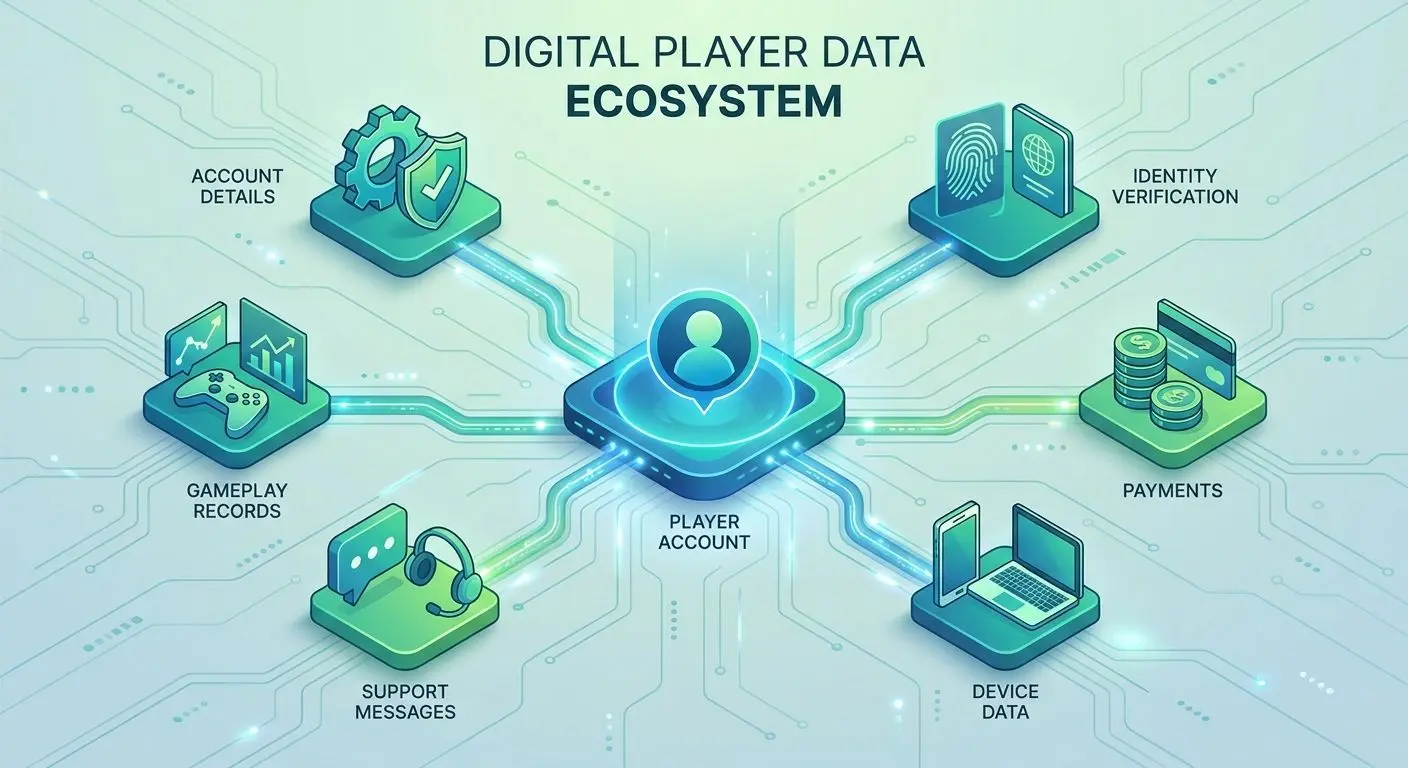
The exact data held depends on how you use your account, whether you completed verification checks, and which features you used, such as mobile access, promotions, or account controls. In broad terms, PlayOJO may hold several categories of personal data connected to your use of the platform.
These often include account details such as your name, username, date of birth, and contact information. There may also be identity and verification records, gameplay information, payment and withdrawal history, communication records with support teams, and technical or device-related data such as login patterns, browser details, or security logs.
I would also expect the scope to vary from one player to another. Someone who only registered recently may have a narrower data profile than a long-term user who used multiple features and contacted support several times. If you want to access my information PlayOJO holds about your own account, a GDPR request is the clearest way to see what applies to you directly.
How to Submit a GDPR Information Request to PlayOJO
To submit a playojo gdpr request, start through the usual privacy or support channels. In practice, that means you can contact PlayOJO support or use the data protection contact details listed in the privacy documentation. You do not need formal legal wording. A short, clear message is enough if it identifies you and explains what information you want.
I recommend separating a GDPR information request from an ordinary support issue. If your question is about a password reset, account access problem, or a pending payment, that is a standard support matter. If you want a copy or overview of the personal data linked to your account, that is a data rights request.
- Go to the support or privacy contact route.
- State that you are making a GDPR information request.
- Provide your full name and account username or ID.
- Use the same email address linked to your account where possible.
- Describe what information you want, in broad or specific terms.
- Say how you would prefer the response to be sent, if relevant.
- Keep a copy of your message for your own records.
What to include in your GDPR information request
| Item | Why it helps | Example |
|---|---|---|
| Full name | Helps match the request to your account record | Patrick Byrne |
| Username or account ID | Speeds up account identification | playuser87 |
| Contact email | Confirms where responses should be sent | [email protected] |
| Type of information requested | Clarifies the scope of the search | Account data, payments, support contacts |
| Time range if relevant | Helps narrow large data sets | Activity from January to June |
| Preferred response format | Makes delivery more practical | Email reply with attached document |
What Happens After You Send Your Request?
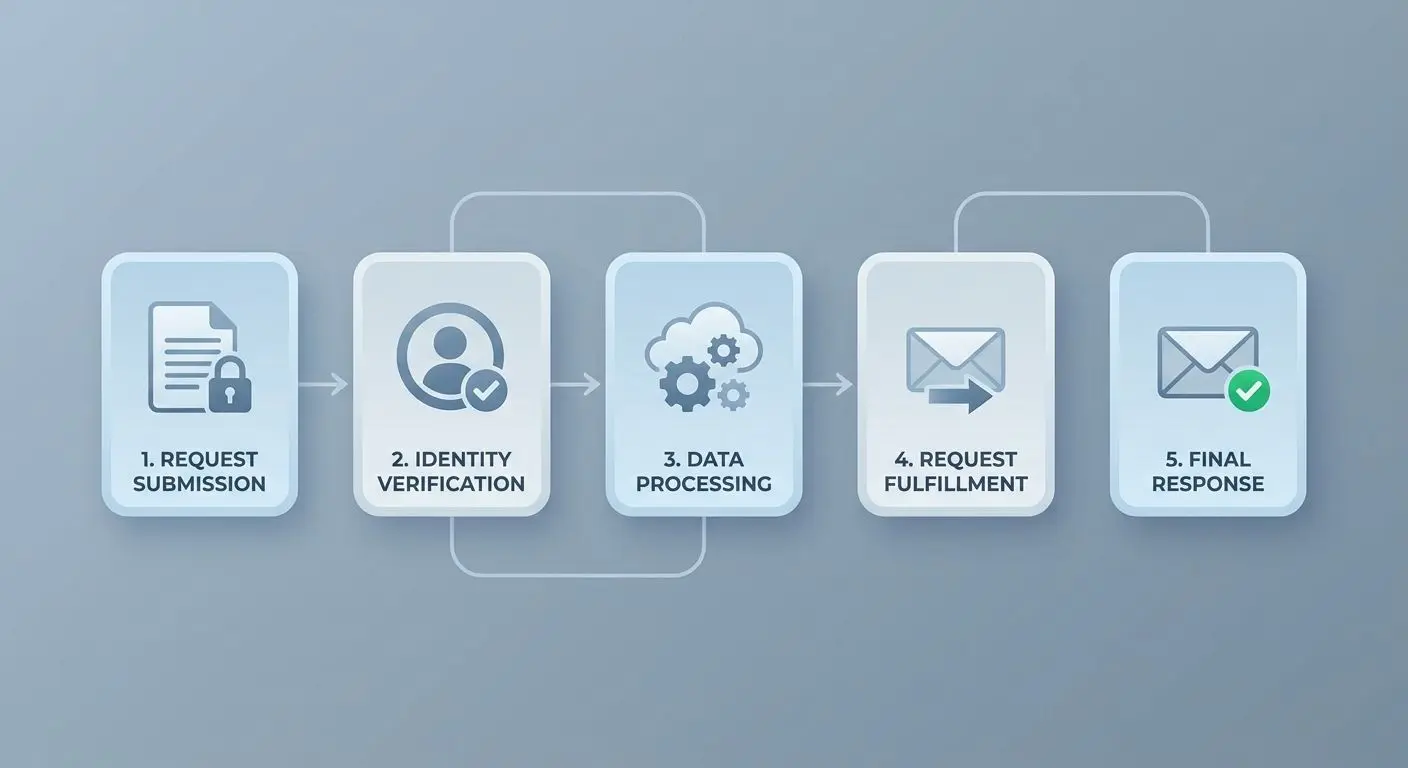
Once your request is received, the first stage is usually acknowledgement. After that, PlayOJO may need to confirm your identity before sharing any personal data. I see this as a standard account protection step, especially where sensitive account or payment-related records may be involved.
The request then moves into internal review and data gathering. Relevant teams or systems may be checked so that the response covers the scope of your request. After that, the information is organised into a reply, and the response is delivered in line with GDPR timelines. In many cases, this is normally within one month, though more complex requests may take longer.
If an extension is needed because the request is large, technically complex, or overlaps with restricted information, you should usually be informed of that. The process is meant to balance access rights with privacy, security, and legal duties.
Typical stages of a GDPR information request at PlayOJO
| Stage | What PlayOJO does | What you may need to do | Typical outcome |
|---|---|---|---|
| Acknowledgement | Confirms receipt of your request | Wait for follow-up | Request is logged |
| Identity check | Verifies account ownership | Provide confirming details | Access is protected |
| Data search | Locates relevant records | Clarify scope if asked | Relevant data is gathered |
| Preparing your file | Organises the response | No action in most cases | Response package is prepared |
| Sending the response | Delivers the information | Review the file received | You get your data reply |
What You Can Expect in PlayOJO’s Response
The response to a GDPR data access request is usually sent electronically. That may be an email reply, an attached file, or a secure link to documents. The format can vary, but the purpose is the same: to give you a usable overview of the personal data connected to your account.
In many cases, the reply may include categories of personal data, copies or extracts of key records, and short explanations of why the data is processed. You may also see general information about retention periods, recipients, or legal bases for processing.
Some parts of the file may be edited or redacted. That can happen where third-party information appears in the same record, or where legal or security restrictions apply. I treat that as normal practice. The reply is focused on personal data access, not necessarily on broader account complaints, promotional questions, or disputed operational decisions.
Examples of information you may receive
| Type of information | Example content | Notes |
|---|---|---|
| Account details overview | Name, username, registration date | Basic profile data |
| Transaction log summary | Deposits, withdrawals, account balance events | Usually presented as account-related records |
| Game session history overview | Dates, session times, activity summaries | Scope may vary |
| Responsible gaming settings summary | Limits, cooldowns, self-management settings | Depends on account use |
| Communications log summary | Support chat or email history | May exclude third-party data |
| Verification record summary | Identity check status and submitted categories | Sensitive details may be limited |
When PlayOJO May Not Provide Certain Data
GDPR access rights are broad, but they are not unlimited. There are cases where some information cannot be shared in full. From a compliance point of view, the most common reasons involve protecting other people’s privacy, meeting legal obligations, and preserving fraud prevention or security controls.
For example, if a record contains another person’s details, that part may be removed. If information relates to anti-fraud checks, AML-related procedures, or ongoing investigations, disclosure may be restricted. Internal security notes or system controls may also be withheld where sharing them could undermine account protection or legal compliance.
Even where access is limited, PlayOJO would usually aim to explain the general reason as far as possible. A partial refusal does not cancel your right to information as a whole. It usually means only that a particular category or document cannot be disclosed in full.
Common reasons why some data cannot be shared
| Situation | Why information may be limited | What you will usually see instead |
|---|---|---|
| Third-party privacy | Another person’s data appears in the same file | Redacted copy or summary |
| Legal obligations | Disclosure could conflict with legal duties | General explanation |
| Anti-fraud and AML checks | Sharing may interfere with control processes | Limited or withheld detail |
| Internal security notes | Could expose protective measures | High-level description only |
| Ongoing investigation | Release may prejudice a live review | Delayed or restricted response |
How Your Right to Information Works with Other PlayOJO Policies
I treat this page as a practical guide, while the full legal wording sits in the platform’s formal policy documents. If you want the broader rules on data processing, cookies, and contact routes, see PlayOJO privacy and cookies. If your account data also relates to limit-setting or safer play controls, PlayOJO responsible gaming tools may also help.
Using your right to information can make those policies easier to understand in real terms. Instead of reading them only in the abstract, you can see how they apply to your own account records and activity history. For general updates and announcements, users may also keep an eye on PlayOJO’s social channels: https://facebook.com/playojo, https://instagram.com/playojo, https://x.com/PlayOJO, and https://youtube.com/@PlayOJO.
Staying Safe and Informed When You Play
Knowing how to submit a GDPR request is part of safer account use. It gives you a way to review what information is held and whether your records are accurate.
Good practices when using your right to information:
- keep a copy of your request and the response
- check whether your account details are accurate and up to date
- ask follow-up questions if something in the response is unclear
- use support for technical or account service issues that are not data-access related
A GDPR request is helpful for privacy questions, but ordinary operational issues are still best handled through support channels.

Frequently Asked Questions about Your Right to Information at PlayOJO
How do I start a GDPR information request with PlayOJO?
Start by using the support route or the privacy contact details listed in the policy documents. State that you are making a GDPR information request, include your name, account details, and explain what data you want. You can also contact PlayOJO support to begin.
How long does it usually take to get my data from PlayOJO?
GDPR responses are normally provided within one month, although more complex requests can take longer. If the request covers a large volume of records or needs extra verification, the timeframe may be extended in line with GDPR rules, and you should usually be informed.
Does it cost anything to request my personal data from PlayOJO?
In general, GDPR access requests are expected to be free of charge. In some cases involving repeated or excessive requests, a provider may apply limits or other measures. For the formal wording that applies, check the relevant privacy documentation and current policy terms.
Can I correct or delete my data after I see PlayOJO’s response?
Yes, the right to information sits alongside other privacy rights, such as rectification or erasure in appropriate cases. If you spot incorrect data, you can raise that with support and review the official guidance in PlayOJO privacy and cookies.
What if I’m not happy with PlayOJO’s GDPR response?
If the reply seems incomplete or unclear, ask for clarification and narrow or restate the request if needed. You can also request further explanation through support. If the issue remains unresolved, you may consider the GDPR procedures available in your own jurisdiction.